
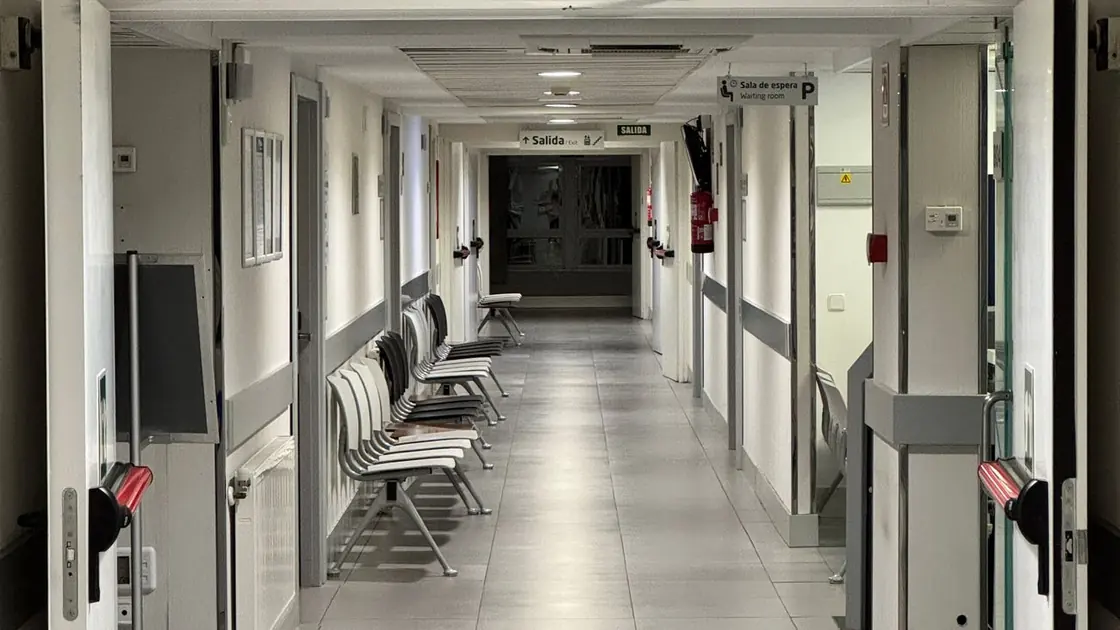
A delay becomes harder to understand when a person receives two different explanations or hears a promise nobody can keep. In a healthcare setting, the person giving an update may know only that a process is still underway. That limited information can still help if it is presented clearly. This article follows a fictional waiting-room scenario and shows how a team can explain what it knows, acknowledge what remains open, and give people a realistic way to find out what happens next. It focuses on communication, not on judging clinical urgency or setting care priorities.
Start by hearing what the person is asking
Two people can ask “How much longer?” and need different things. One person may be trying to decide whether they can step outside to make a call. Another may be worried that they were missed. Before falling back on a standard answer, listen for the immediate concern. A brief question such as “Are you checking whether we have you on the list, or trying to plan around the wait?” can help distinguish those needs. If the person has raised a concern that belongs with a clinical team, use the site’s appropriate process rather than treating it as an administrative timing question.
Acknowledge the inconvenience in ordinary language. A person may have arranged transport, childcare or time away from work. You do not need to know those personal details to recognize that waiting without clear information can be difficult. A short acknowledgment leaves room for the person to say what would help. It is useful to keep the conversation focused on what you can verify and on the next step that is actually available.
Separate confirmed information from estimates
Confirm the part you are able to check. For example, a staff member may be able to verify that the person completed a check-in step, but may not know when a room will become available. Say which part is confirmed and which part is still uncertain. If an approved estimate is available, explain what it represents. A time for the next information update is different from a time when an appointment will begin. Using the same time to describe both can sound like a promise even when the team intended only to check again.
Avoid guessing why another person went first. You may not have access to the reason, and describing other people's circumstances could disclose information that does not belong in the conversation. If the person asks about the process, you can explain the parts you are authorized to describe and invite the appropriate person to address questions beyond your role. A clear boundary is easier to trust when it is paired with an actual place or person who can help.

Choose an update the team can deliver
Before offering a follow-up, check who will be at the desk and what information they will be able to access. A realistic plan may be for the same role to check at a particular interval, or for the visitor to return to a clearly identified desk if they need help. Use the local process. Do not promise that another team will call unless someone there has accepted that responsibility. If the person cannot easily return to the desk, ask how the approved method can be made accessible without making a promise you cannot keep.
The update can be useful even if the underlying situation has not changed. Saying that a question was checked and remains open is different from leaving the person to wonder whether the question was forgotten. State who is handling the next check and what the person should do if the expected update does not arrive. Make that choice explicit before the conversation ends.
| Moment | What to do | What to verify |
|---|---|---|
| Check-in is confirmed | Explain what was checked | Name where to ask for the next update |
| A start time is unknown | Say that no time is confirmed | Avoid promising a start time |
| The desk is changing shifts | Pass on the open question and prior update | Ask the incoming role to confirm the handoff |
Fictional example: a promised update crosses a shift change
In a fictional clinic, a staff member tells a visitor they will check the status before the desk changes shifts. The staff member can confirm that check-in is complete but receives no reliable start time. They tell the visitor that there is no confirmed timing yet and show them where the incoming team will be available. At handoff, they tell the incoming colleague which question is still open and what was already said. The colleague acknowledges the task and knows what information they can give without speculating.
The visitor does not have to restart the conversation. If the new colleague cannot obtain more information, they can still explain what has been checked and what the next step is. If the visitor raises a different concern, the colleague uses the local process for routing it. The success of the example is that the handoff preserved an accurate commitment, not that it changed the schedule.
Review the process using an observable result
Ask a few colleagues where updates are most likely to be missed: at a desk change, after an interruption or when the question involves another department. Select one situation for a short rehearsal. One colleague can play a visitor, another can give the update, and a third can listen for a distinction between what is known and what is only expected. Keep the scenario fictional and consider whether the wording works during a busy period.
Check the process again after it has been tried in ordinary work. The team might notice that visitors ask fewer repeat questions, or staff may still find it difficult to identify the right person to contact. Use that observation to improve the handoff or the script. A useful review describes a situation and a response, rather than scoring an individual’s personality. Keep any shared notes focused on the workflow and leave out information that identifies visitors or patients.
It is also worth checking the words on signs, booking pages and handouts. If one source invites people to ask at a desk that is no longer staffed, the best spoken explanation will not solve the whole problem. Walk the route as a first-time visitor and compare what the signs say with what staff can offer. Change the public wording only after the responsible team confirms how visitors should get help. This gives the next person a reliable place to start even if they arrive during a shift change.
Quick checklist
- Listen for the reason the person is asking.
- Distinguish the next update from a start time.
- Confirm who can carry the question forward.