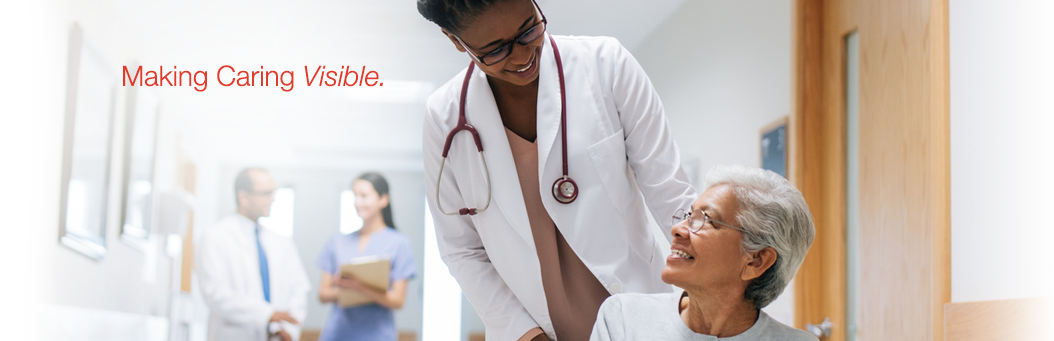
Person-Centered Care and Caring Communication, Now More Than Ever!
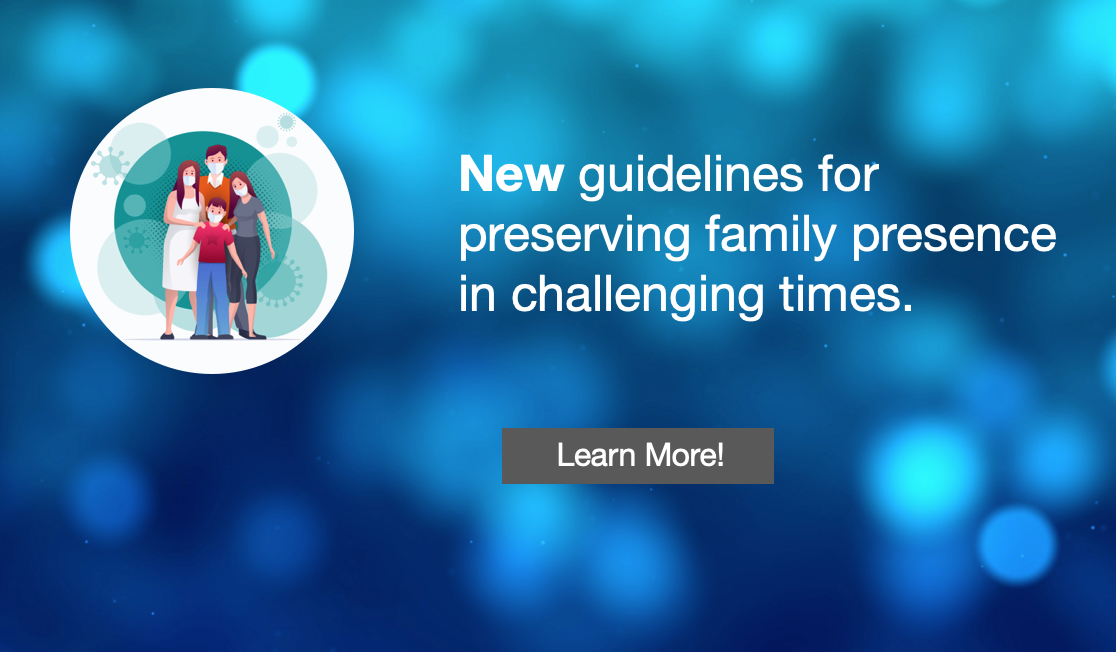
The COVID pandemic has been a powerful reminder that we live in a complex and unpredictable world. Despite this, teams implementing Planetree and Language of Caring® around the world are coping, adapting, and managing in the face of these challenges. How do we know this? Because from the onset of the pandemic, they have been sharing the full range of their experiences with us – their struggles and their successes. Click here to see the six themes that are fundamental to their continued success.
What caring communication looks like on an ordinary shift
Most people who work in healthcare already care deeply about their patients. The gap is rarely in intention; it is in what reaches the other person. A nurse may be worried about a patient's pain, yet the patient only sees someone checking a monitor and leaving the room. A physician may have weighed every option carefully, yet the family hears a quick summary and a list of words they do not understand. Caring communication is the practice of closing that gap, so that the concern people feel becomes something patients, families and coworkers can actually notice.
It is not a script and it is not about being endlessly cheerful. It is a small set of habits that can be learned, practised and kept up under pressure: naming what you are about to do and why, acknowledging feelings before jumping to facts, checking what the other person understood, and ending an encounter so that people know what will happen next. Each habit takes seconds, which matters in places where time is the scarcest resource of all.
Small moments that shape the whole experience
Patients judge their care through many brief contacts, not one long conversation. The greeting at registration, the way a phone call is answered, the explanation before a blood draw and the words used at discharge all add up. When those moments feel rushed or impersonal, anxiety rises, questions go unasked and trust drops, even if the clinical care is excellent. When they feel attentive, people tend to follow instructions more closely, raise concerns earlier and leave with a clearer picture of their own plan.
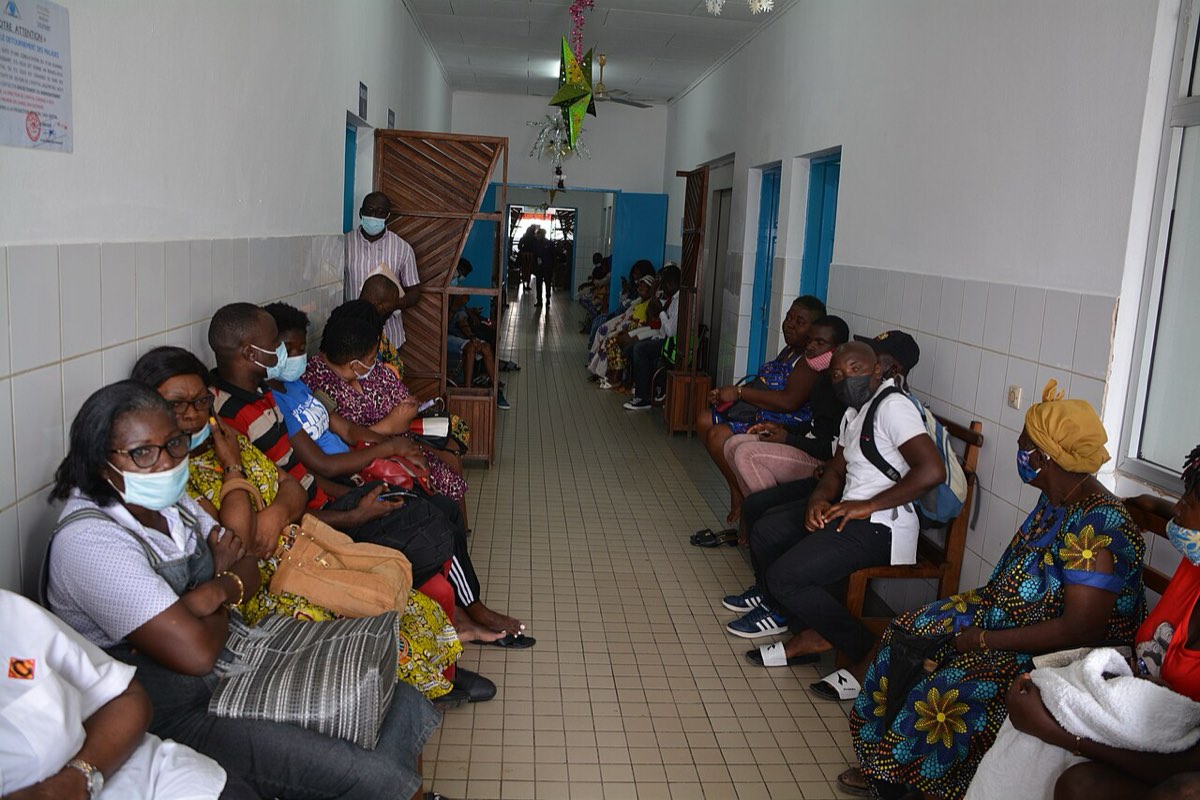
Waiting is one of the most telling of these moments. Delays are often unavoidable, but silence about them is not. A short update such as "the doctor is with an urgent case, and I expect it will be about twenty minutes" turns an uncertain wait into a known one. It costs almost nothing, and it shows people that they have not been forgotten.
Empathy as a skill, not a personality trait
It is common to hear that some clinicians are simply "good with people" and others are not. Experience in many organisations suggests otherwise. Empathy shows up in concrete behaviour: making eye contact before typing, sitting down rather than standing at the door, reflecting back what a worried relative has said, and saying out loud that a situation is hard. These behaviours can be taught, observed and reinforced like any other clinical competence. A simple structure helps, such as connecting with the person first, then giving the information they need, and closing with reassurance about what comes next. Our Heart-Head-Heart approach follows this pattern.
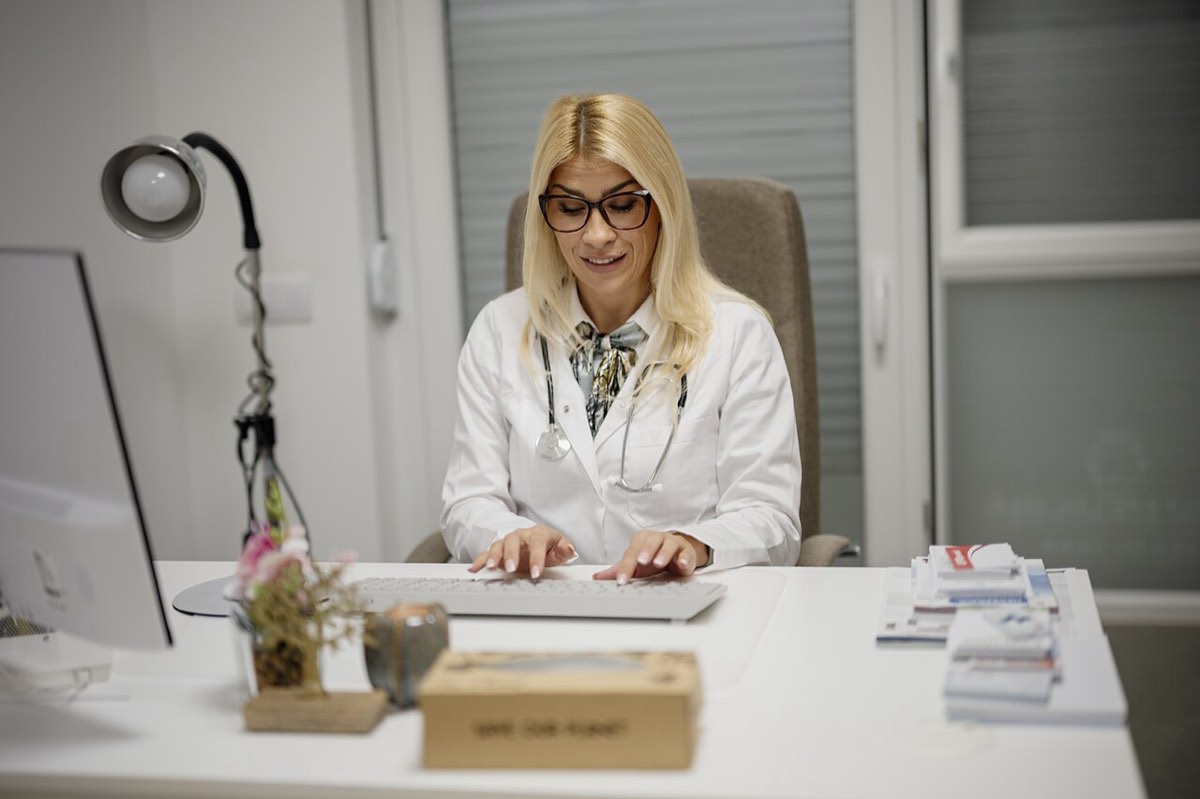
Screens are a good example of where skill makes a difference. Electronic records are essential, but they can pull attention away from the person in the room. Clinicians who explain what they are entering, turn the monitor so a patient can see it, or pause typing during difficult news keep the conversation human without giving up accurate documentation.
Why culture matters as much as training
A one-off workshop rarely changes behaviour for long. People slip back into old habits when they are tired, short-staffed or under criticism. Lasting change comes when leaders model the same skills with their teams, when caring language is part of huddles, rounds and performance conversations, and when coworkers treat each other with the respect they are asked to show patients. Staff who feel heard are far better placed to listen well themselves.
It also helps to know where you are starting from. Asking staff how they experience communication and respect at work, through a tool such as our Caring Culture Survey, shows which teams already have strong habits and where support is needed most.
Where to begin
Organisations that make steady progress usually start small. They choose a few high-impact moments, such as first introductions, explanations before procedures or handovers between shifts, and agree on how those moments should sound. They give people time to practise, ask patients and families what they noticed, and share stories of what worked. Over months, these shared habits become part of how the place feels to everyone who walks in. For more ideas and real examples from care teams, browse the articles on our blog.
Helping organizations create cultures of caring and empathy.
Language of Caring partners with healthcare organizations across the continuum of care to make compassion and powerfully effective communication permeate all interactions with patients, families and coworkers. Through our communication skill-building and culture building programs, we help all individuals consistently make their compassion and caring intentional, visible, impactful, and genuine.
Explore the Results library for caring communication stories.
Why Language of Caring?
- We are an expert team of recognized leaders in patient experience, staff and physician development, and organizational change
- We have a proven track record of strengthening advanced communication competencies that build trust, reduce anxiety, and positively impact people’s experience, engagement, and well-being
- We employ blended learning strategies that engage hearts and minds, respect people’s time, and promote lasting behavior change
- Our proven framework and accountability processes support clients from initial implementation through sustainment
Among Language of Caring Clients






Connect with us to learn how we can help you create a caring community where staff engage, physicians prefer to practice, and patients rave about the people and their care.